
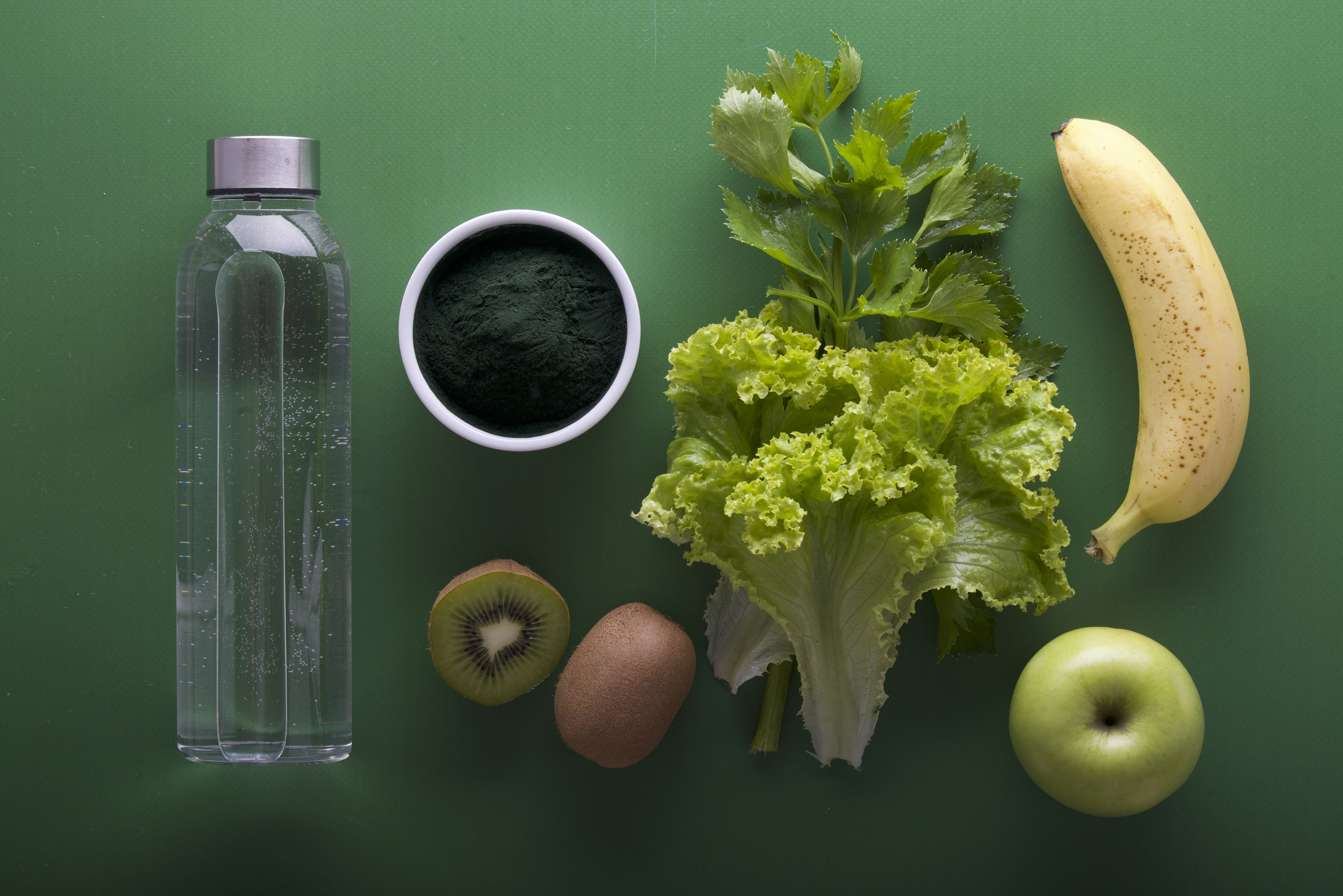
Introduction to Weight Loss Foods
Weight loss is a multifaceted journey often driven by a desire for better health, increased energy levels, or improved self-esteem. To effectively lose weight, it is essential to understand the role of nutrition. The foods we consume not only contribute to our overall caloric intake but also impact our feelings of fullness, energy levels, and nutrient balance.
Selecting the right foods can be a powerful strategy in the pursuit of weight loss. Certain foods are known for their ability to promote satiety, thereby reducing the likelihood of overeating or snacking between meals. Foods that are high in protein, fiber, and water content often offer these important properties. For instance, legumes, whole grains, and vegetables can significantly enhance feelings of fullness, making it easier to adhere to a healthy eating plan.
The nutritional value of food is equally essential in supporting weight loss endeavors. Foods rich in vitamins and minerals support overall health, making weight management more sustainable in the long run. A diet rich in whole, minimally processed foods not only provides necessary nutrients but also fosters overall well-being, which can improve motivation and consistency in weight loss efforts.
Additionally, incorporating a variety of foods into one’s diet can prevent monotony and make healthy eating more enjoyable. This diversity introduces different flavors and textures, satisfying psychological cravings and encouraging adherence to weight loss goals. Exploring a wide range of food options is beneficial for obtaining a broad spectrum of nutrients while supporting the weight loss process.
Understanding the link between food choices and satiety is crucial for effective weight management. By making informed food selections, individuals can facilitate a sustainable weight loss journey while enjoying satisfying meals that promote health.
Whole Grains: The Foundation of Fullness
Whole grains play a crucial role in maintaining a balanced diet, particularly for those aiming for weight loss while ensuring they stay satiated. Foods such as quinoa, brown rice, barley, and oats are excellent sources of dietary fiber, which is essential for promoting a feeling of fullness. The fiber found in these whole grains slows down digestion, allowing the body to absorb nutrients steadily and prolonging the sensation of satiety.
One of the primary benefits of incorporating whole grains into your meals is their ability to provide sustained energy levels throughout the day. Unlike refined grains, which tend to spike blood sugar levels and lead to subsequent crashes and cravings, whole grains release energy more gradually. This slow release helps maintain stable energy levels, thus reducing the likelihood of reaching for unhealthy snacks when hunger pangs strike.
Additionally, whole grains are rich in essential nutrients, including B vitamins, iron, magnesium, and antioxidants, making them a wise choice for individuals looking to support their overall health while pursuing weight loss. For instance, quinoa is noted for its complete protein profile, making it an outstanding option for vegetarians and those wanting to reduce their meat intake. Similarly, brown rice offers a hearty texture and nutty flavor that can enhance numerous dishes, making it an enjoyable staple in a weight loss diet.
Incorporating whole grains into breakfast, lunch, and dinner not only adds texture and flavor to meals but also aids in managing hunger. For example, starting the day with a warm bowl of oatmeal can set a positive tone for the day, minimizing the likelihood of mid-morning snacking. Likewise, using quinoa or brown rice as a base for salads or stir-fries can create a satisfying meal that keeps cravings at bay.
By making whole grains a key component of your diet, you align your nutritional choices with your weight loss goals while ensuring that your body receives the fiber and nutrients necessary for optimal function. This approach not only aids in weight management but also contributes to overall well-being.
Fruits: Nature’s Sweet Satisfaction
Fruits are often recognized as a crucial component of a weight-loss-friendly diet, particularly due to their low calorie counts and high fiber and water content. These characteristics not only help in managing hunger but also contribute to overall health. Among the plethora of fruits available, berries and apples stand out as exceptional choices when it comes to satisfying sweet cravings while supporting weight loss initiatives.
Berries, including strawberries, blueberries, raspberries, and blackberries, are particularly noteworthy. They are remarkably low in calories, with a typical serving containing approximately 50-80 calories, depending on the variety. Additionally, their high fiber content aids in digestion and promotes satiety, making them an excellent snack option. Moreover, the natural sugars found in berries can effectively curb sweet cravings without the negative effects associated with processed sugars.
Apples are another fruit that can be highly beneficial for weight management. A medium apple contains around 95 calories and provides about 4 grams of dietary fiber. Eating an apple before meals can lead to reduced calorie intake at mealtime, as the fiber and water content create a feeling of fullness. Furthermore, apples are versatile and can be enjoyed raw, baked, or as part of various dishes including salads and smoothies.
Incorporating a variety of fruits into a diet not only adds essential vitamins and antioxidants but also enhances the overall enjoyment of meals. The sweetness of berries and apples can trick the brain into feeling satisfied, reducing the likelihood of craving high-calorie desserts. As part of a balanced approach to nutrition, these fruits can effectively play a role in achieving and maintaining weight loss goals while ensuring that cravings for sweets are met in a healthy way.
Vegetables: Low-Calorie Powerhouses
Incorporating a variety of vegetables into daily meals can significantly contribute to weight loss due to their low-calorie content and high fiber levels. Among the many types of vegetables, fibrous options like broccoli and spinach stand out for their unique ability to promote fullness while providing essential nutrients.
Broccoli, for instance, is not only low in calories but also rich in vitamins C and K, as well as fiber, which is crucial for digestive health. The fiber content in broccoli helps to slow digestion, promoting a feeling of satiety that can reduce overall food intake. Similarly, spinach, a leafy green powerhouse, is low in calories and packed with iron and antioxidants. Its fibrous nature means that it can bulk up meals, helping individuals feel more satisfied without consuming excess calories.
In addition to these, other fibrous vegetables such as Brussels sprouts, carrots, and cauliflower offer similarly beneficial properties. These vegetables can easily be integrated into various meals, making it simple to boost fiber intake while keeping calorie counts low. Roasting, steaming, or using them in salads can enhance their flavor while preserving their nutritious benefits.
It is important to diversify vegetable intake to obtain a range of nutrients. For maximum benefits, incorporating vegetables into every meal can promote not just weight loss but also overall health. The versatility of vegetables means they can be included in smoothies, stir-fries, and soups, making them an excellent choice for anyone seeking to manage their weight effectively.
By regularly consuming fibrous vegetables like broccoli and spinach, individuals can create meals that maximize fullness and satisfaction, thus supporting their weight loss journey while ensuring they receive vital nutrition. The emphasis on incorporating these low-calorie powerhouses into the diet cannot be overstated, as they play a pivotal role in a balanced and healthy eating plan.
Lean Proteins: Keeping You Satiated
In the context of a weight loss regimen, incorporating lean protein sources such as chicken breast, turkey, and legumes plays a crucial role in promoting satiety. Protein, often referred to as the building block of life, is essential for several bodily functions, but its impact on hunger regulation is particularly noteworthy. Foods rich in protein not only help in muscle retention during weight loss but also enhance feelings of fullness after meals.
Chicken breast and turkey are prime examples of lean protein sources that provide high protein content with relatively low calories. These meats are versatile and can be easily incorporated into various dishes, making them convenient choices for those looking to manage their weight. The consumption of lean poultry can lead to increased satiety due to the thermogenic effect of protein, which elevates the number of calories burnt during digestion. This means that eating protein-rich foods can support weight loss efforts by reducing the overall caloric intake throughout the day.
Additionally, legumes such as lentils, chickpeas, and black beans offer an excellent plant-based protein alternative. These foods not only contribute to muscle maintenance but are also rich in fiber, which further enhances fullness. The combination of protein and fiber in legumes helps stabilize blood sugar levels, reducing cravings and minimizing the risk of overeating.
Incorporating a variety of lean proteins into one’s diet can also foster adherence to a weight loss plan. Satisfying meals that include adequate protein can mitigate feelings of deprivation, making it easier to stick to healthier eating patterns. Ultimately, whether derived from animal or plant sources, lean proteins are vital for fostering a sense of satiety and supporting the nutritional needs of individuals aiming for weight loss.
Healthy Fats: The Essential Component
In the pursuit of weight loss, incorporating healthy fats into the diet can significantly enhance the feeling of fullness, contributing to weight management efforts. Healthy fats are essential components of a balanced diet and serve multiple purposes, including providing satiety and satisfaction with meals. Foods rich in healthy fats, such as avocados, nuts, seeds, and olive oil, can play a vital role in a weight loss strategy.
Avocados are a prime example of healthy fats that aid in maintaining a feeling of fullness. They are packed with monounsaturated fats, which are known to support heart health and can help stabilize blood sugar levels. Including half an avocado in meals can create a creamy texture that enhances the overall eating experience while promoting satisfaction and preventing overeating.
Nuts are another excellent source of healthy fats. Varieties such as almonds, walnuts, and pistachios are not only nutrient-dense but also high in fiber and protein, which can substantially increase satiety. A small handful of nuts can be a nourishing snack that curbs hunger between meals, making it easier to resist the temptation of less healthy options.
Olive oil, often regarded as one of the healthiest fats available, can be used as a dressing or cooking oil. It contains powerful antioxidants and has been shown to promote feelings of fullness, reducing the likelihood of snacking on high-calorie foods later in the day. Incorporating olive oil into salads or drizzling it over roasted vegetables can enhance flavor, making meals more enjoyable and satisfying.
The incorporation of these healthy fats into daily eating routines does not lead to increased caloric intake but rather helps in managing hunger effectively. When consumed in moderation, healthy fats provide the energy necessary for daily activities and contribute to overall well-being. Therefore, during a weight loss journey, prioritizing healthy fats is not only beneficial but essential for achieving lasting results.
Dairy Alternatives and Low-Fat Options
Dairy products and their alternatives play a significant role in weight management, providing essential nutrients while also aiding in satiety. Incorporating options like Greek yogurt and almond milk can be beneficial for those seeking to lose weight without sacrificing flavor or fullness. Greek yogurt, for example, is renowned for its high protein content, which can promote a feeling of fullness and reduce overall calorie intake.
Protein-rich foods are essential in a satiating diet, as they often require more energy to digest compared to carbohydrates and fats. Greek yogurt typically contains twice the amount of protein compared to regular yogurt, making it a preferable choice for individuals looking to manage their weight. Not only does its creamy texture and tangy flavor make it a delicious snack, but it can also be easily incorporated into various dishes, from smoothies to salad dressings.
Moving on to dairy alternatives, products like almond milk present a low-calorie option that can replace higher calorie dairy products in many recipes. Unsweetened almond milk is particularly low in calories, which can help individuals reduce their overall caloric intake while still enjoying the creamy qualities of milk. Additionally, almond milk is fortified with vitamins such as calcium and Vitamin D, essential for maintaining bone health.
Furthermore, other alternatives like soy and oat milk also contribute significant nutritional benefits. Soy milk offers a comparable protein level to cow’s milk but with fewer calories, making it another excellent choice for weight loss. Oat milk, while slightly higher in carbohydrates, provides a creamy texture that can enhance various recipes while still being animal product-free.
In summary, including dairy products and their low-fat or alternative counterparts can play a crucial role in achieving weight loss goals. By focusing on high-protein options like Greek yogurt and incorporating low-calorie alternatives such as almond milk, one can create a satiating and enjoyable diet that supports weight management effectively.
Seeds and Nuts: Small but Mighty
Seeds and nuts are often regarded as small but mighty components in a weight loss plan, packed with nutrients and healthy fats that can help keep you full between meals. Their rich composition includes protein, fiber, healthy fats, and a range of vitamins and minerals, making them an ideal choice for nutritious snacking.
Nuts such as almonds, walnuts, and pistachios provide a substantial energy boost and support overall health due to their healthy fat content. These fats can assist in satiety, helping to curb hunger cravings and prevent overindulgence during subsequent meals. Similarly, seeds like chia, flax, and pumpkin seeds are not only nutrient-dense but also contain omega-3 fatty acids and antioxidants, contributing to a balanced diet.
However, it is crucial to practice moderation when incorporating seeds and nuts into a weight-loss regimen. While they can be beneficial, they are calorie-dense foods. Therefore, portion control is essential to avoid excessive calorie intake. A small handful (approximately one ounce) of nuts or seeds can be an effective serving size. Additionally, combining these snacks with other whole foods like fruits or yogurt can enhance their nutritional value while providing a more satisfying snack experience.
Incorporating seeds and nuts into meals can also yield several benefits. For instance, adding them to salads, smoothies, or oatmeal can elevate the nutritional profile of these dishes, making them more filling and satisfying. Moreover, the presence of fiber in nuts and seeds assists in digestion and contributes to the maintenance of a healthy weight.
In conclusion, seeds and nuts can play a crucial role in supporting weight loss while promoting satiety. Their nutrient density and healthy fats contribute positively to overall health, but moderation is key to ensuring these small snacks fit seamlessly into a successful weight-loss strategy.
Conclusion: Building Your Weight Loss Plate
Incorporating the top 20 foods that support weight loss into your diet can be a transformative step towards achieving your health goals. These foods, rich in nutrients, not only provide essential vitamins and minerals but also contribute to a sense of fullness, which is crucial for effective weight management. By focusing on meals that promote satiety, individuals may find themselves less prone to overeating and more likely to make healthier choices throughout the day.
When building your weight loss plate, it is important to consider a balanced approach that includes a variety of the identified foods. This can involve integrating high-fiber vegetables, lean proteins, and healthy fats, all of which can enhance the eating experience while ensuring that nutritional needs are met. For instance, incorporating a combination of leafy greens, quinoa, and grilled chicken can create a meal that is both satisfying and aligned with weight loss objectives.
Furthermore, being mindful of portion sizes and overall meal composition can significantly impact one’s journey towards weight loss. Planning meals with these nutrient-rich foods enables a structured method to control caloric intake without sacrificing enjoyment or satisfaction. It is essential to enjoy the process of discovering new recipes and flavors that include these foods, which can make healthy eating not only beneficial but also enjoyable.
Thus, as you embark on your weight loss journey, remember the importance of creating meals that keep you full while nourishing your body. By prioritizing these top foods in your diet, you pave the way for not just short-term results but long-term, sustainable lifestyle choices that contribute to overall well-being.
